
There is a moment, usually a few weeks after an event, when its real value becomes visible.
Not in the photos.
Not in the feedback form.
But in how people work, decide, and relate to each other afterward.
This is where the difference between a corporate event and an experience shows itself.
Many organisations invest heavily in events. Locations are impressive. Agendas are full. Everything runs smoothly. And yet, the impact fades quickly. What remains is a memory, not a shift.
An experience behaves differently. It settles into behavior. It changes how people listen, decide, and align. It creates continuity rather than a highlight. Understanding this distinction is not semantic. It is strategic. Especially for leaders and private clients who are no longer interested in moments, but in outcomes.
Why this distinction matters now
Work has changed faster than most formats designed to support it.
Teams are distributed across cities and countries. Leadership is exercised through screens. Decision-making is often fragmented, rushed, or overly cautious. At the same time, expectations toward gatherings have risen. Time together is scarce. Budgets are scrutinised. The question is no longer whether to meet, but why.
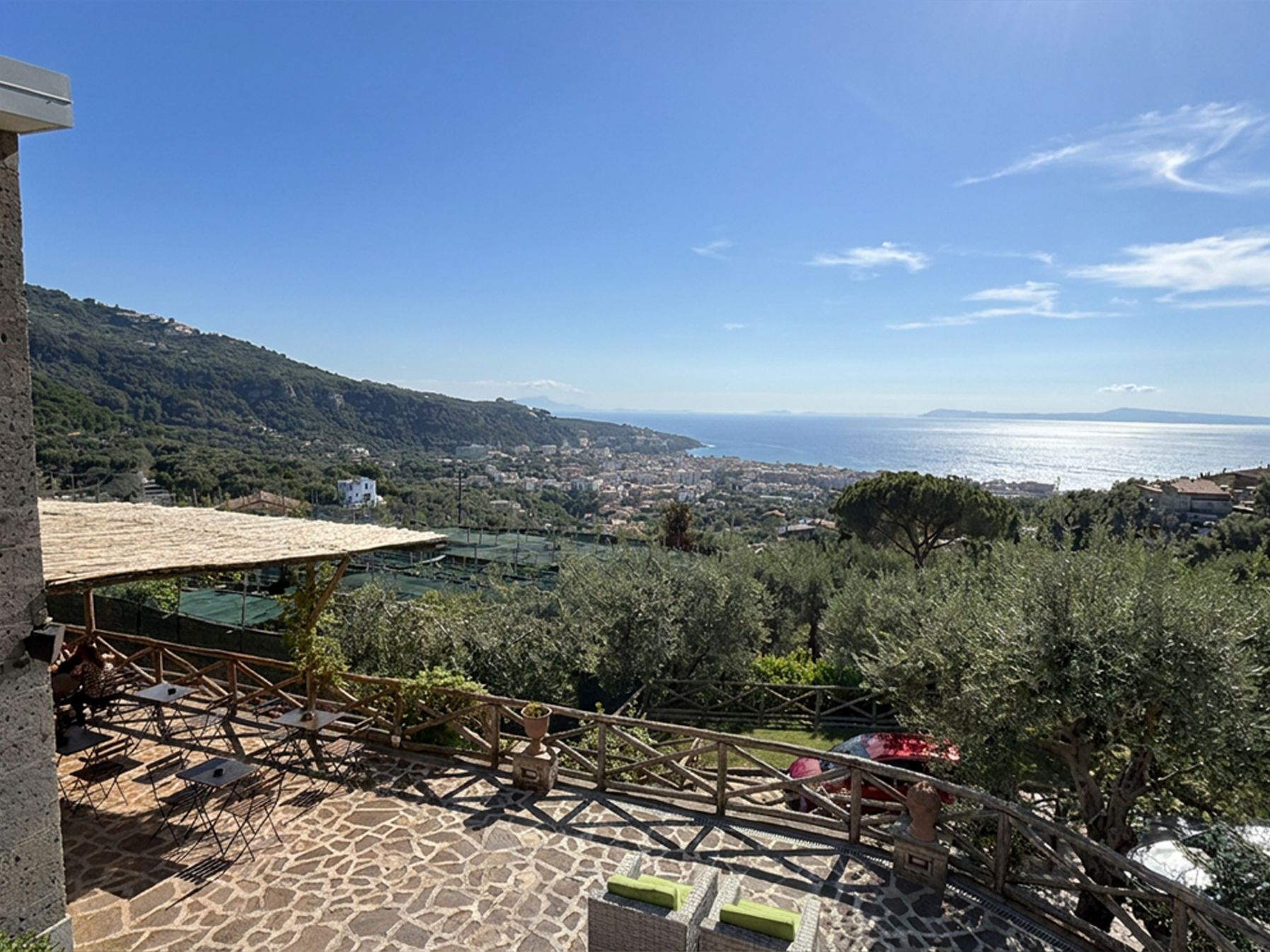
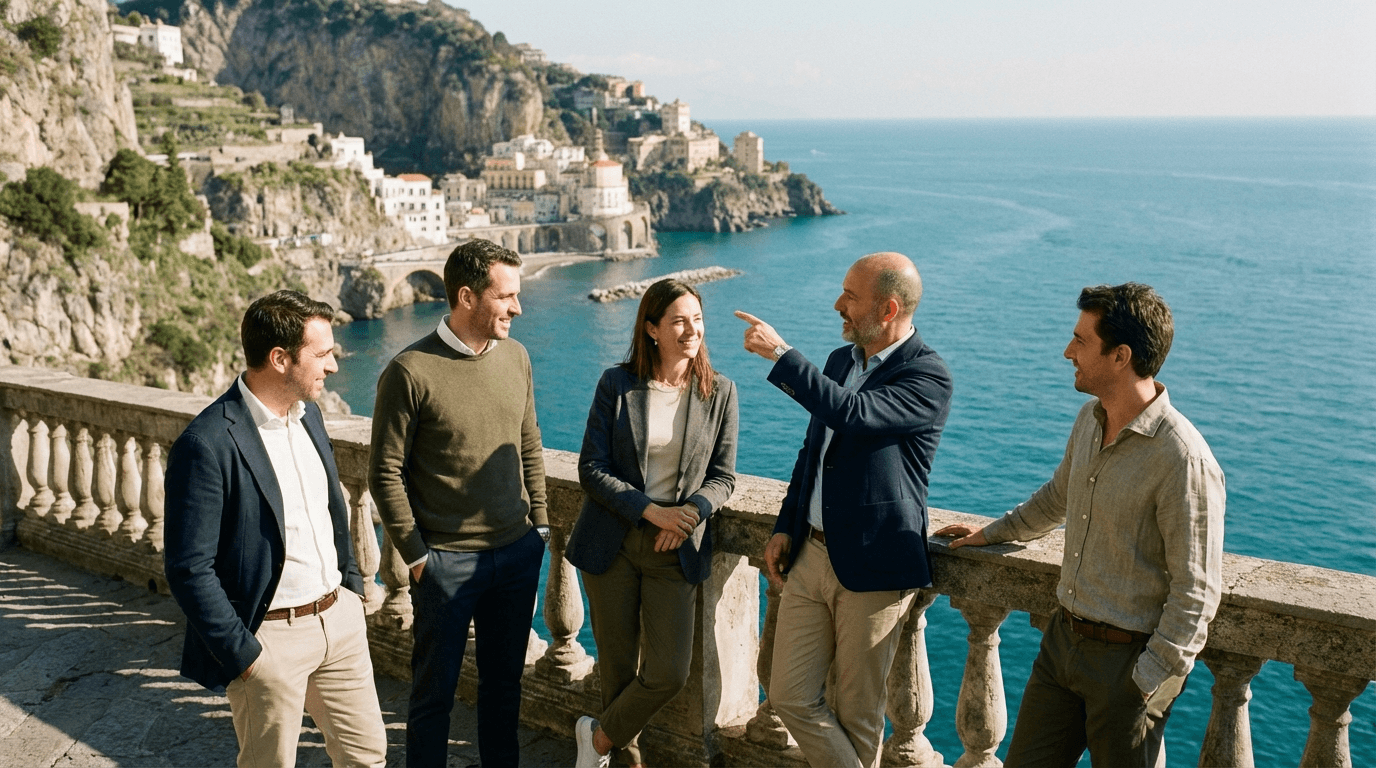
Italy has quietly become a preferred setting for these moments. Not because of beauty alone, but because it allows distance without detachment. A leadership conversation in Tuscany, a strategic reset on Lake Como, or a private milestone in Umbria creates a different mental posture than a hotel ballroom near an airport.
But location alone does not create value.
Without intention, even the most refined setting becomes a backdrop. With intention, it becomes an instrument.
This is why the difference between corporate events vs experiences has moved from a conceptual nuance to a decisive factor.
What a corporate event is designed to do
A corporate event is typically designed around execution.
There is a program.
There are speakers, sessions, activities.
There is a clear start and a clear end.
The focus is on delivery. Timing. Logistics. Visibility. Often, success is measured by participation rates and immediate reactions. Did people enjoy it? Did it run smoothly? Did nothing go wrong?
This approach is not wrong. It is simply limited.
Events are effective when the goal is information transfer, celebration, or formal alignment. A product launch in Milan. A year-end gathering in Rome. A client-facing reception in Florence. These moments serve a function.
The limitation appears when an event is expected to do more than it is designed for.
When it is supposed to realign a team.
When it should resolve tension.
When it is meant to reset focus or rebuild trust.
At that point, execution is no longer enough.
What an experience is designed to change
An experience starts from a different question.
Not “what should happen,” but “what should be different afterward.”
This shift changes everything.
An experience is not a sequence of activities. It is a deliberate architecture of moments, pacing, and context. It works on multiple levels at once. Cognitive, emotional, relational.
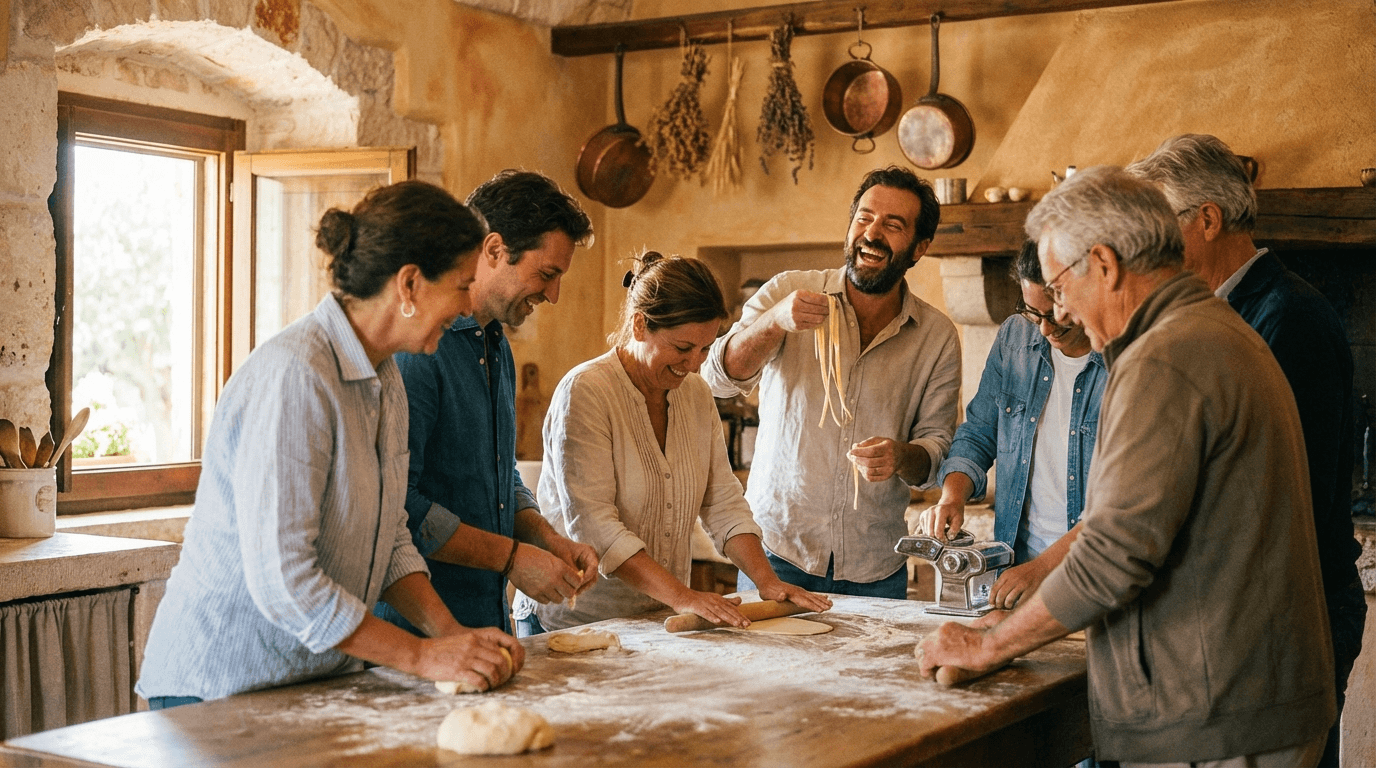
In Italy, this often means working with rhythm rather than intensity. A morning discussion overlooking the Val d’Orcia, followed by silence rather than another slide deck. A shared meal in a family-run masseria in Puglia, not as entertainment, but as a continuation of the conversation. Movement through space that mirrors the movement of thought.
An experience allows time to think without pressure. To speak without performance. To listen without interruption.
This is why its effects last longer. The insights are not delivered. They are arrived at.
The hidden cost of confusing events with experiences
When organisations expect experiential outcomes from event-based formats, disappointment is almost inevitable.
The retreat felt good, but nothing changed.
The offsite was inspiring, but old patterns returned.
The private celebration was beautiful, but strangely empty afterward.
The issue is not the quality of the execution. It is a mismatch between intention and design.
An event optimises for efficiency.
An experience optimises for meaning.
When this distinction is ignored, resources are spent without return. Time is consumed without clarity. And future initiatives are met with increasing scepticism.
Leaders sense this, even if they do not always articulate it. The question “do we really need another offsite” often hides a deeper frustration. Not with gathering, but with superficial gathering.
Italy as a strategic environment, not a selling point
Italy is often described in emotional terms. Beauty. Passion. Dolce vita.
For experiential design, its real value lies elsewhere.
Italy offers density. History layered over centuries. Landscapes shaped by human hands. A cultural relationship with time that is neither rushed nor stagnant.
In places like Piedmont, Sicily, or the hills above Florence, people slow down without feeling unproductive. Conversations deepen without being forced. Silence is not awkward.
This creates a rare condition. Presence without pressure.
For companies, this means discussions that go beyond quarterly metrics. For private clients, it allows celebration without spectacle. A wedding in a restored palazzo in Lazio. An anniversary in a secluded vineyard near Verona. The meaning comes not from scale, but from coherence.
Italy supports experience when it is used deliberately. It undermines it when it is used as decoration.
The anatomy of an experience-led approach
An experience-led approach does not begin with a venue shortlist.
It begins with clarity.
What needs to shift.
Who needs to reconnect.
What conversations have not yet happened.
Only then do location, accommodation, and activities enter the picture.
In practice, this might look like a leadership retreat where the formal agenda occupies less space than the informal moments around it. Or a private event where the guest list is intentionally limited, allowing depth rather than breadth.
In regions like Umbria or the Dolomites, the landscape itself becomes part of the design. Walks replace workshops. Meals replace meetings. Not as a gimmick, but as a different medium for the same objectives.
This requires restraint. And experience.
Not everything needs to be filled. Not every hour needs a purpose assigned to it. The discipline lies in knowing what to leave open.
Why outcomes require authorship
One of the most overlooked differences between corporate events vs experiences is authorship.
Events are often outsourced and executed. Experiences are co-designed.
This does not mean burdening clients with decisions. It means working with intent rather than instructions.
An experienced partner asks different questions. Not “how many people” first, but “why these people together.” Not “what activities,” but “what dynamics.” Not “what budget,” but “what is at stake.”
This approach is particularly relevant for senior leaders and discerning private clients. People who already know what excellence looks like, and are therefore sensitive to its absence.
Authorship creates ownership. Ownership creates impact.
Private occasions follow the same logic
While the context may differ, the distinction applies equally to private events.
A birthday, a family gathering, a celebration of transition. These moments often carry more emotional weight than corporate ones. And yet, they are frequently approached with the same event logic. More entertainment. More decoration. More program.
The result can feel oddly hollow.
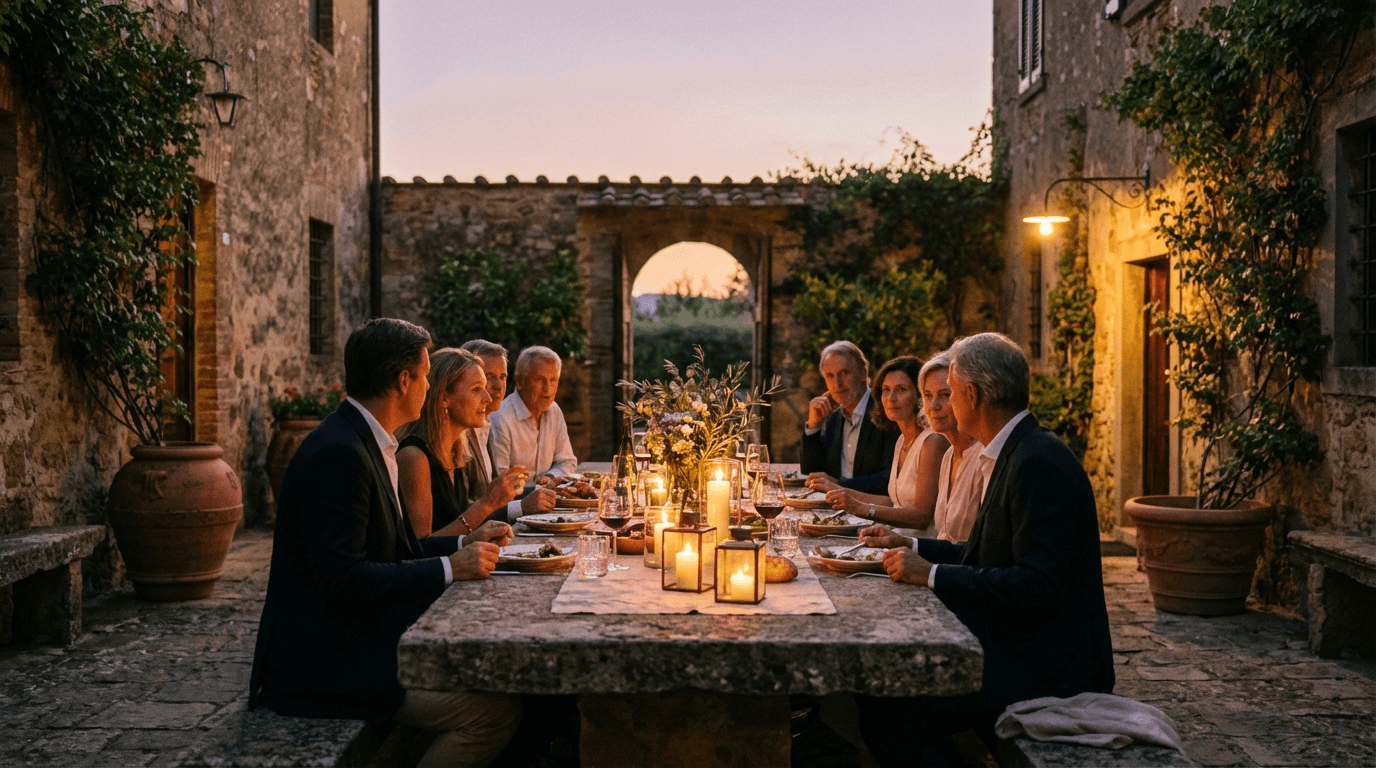
An experience-led private occasion focuses less on impressing guests and more on creating shared meaning. A long table in the countryside near Siena. A sequence of meals and conversations rather than a schedule. Space for presence rather than performance.
The memory that remains is not what happened, but how it felt to be there.
Choosing the right approach deliberately
Not every gathering needs to be an experience. And not every experience needs to be intense.
Clarity comes from honesty.
If the goal is celebration, an event may be enough.
If the goal is transformation, an experience is required.
Understanding this difference allows for better decisions. It avoids overdesign and underdelivery. It respects the time and attention of everyone involved.
For organisations and individuals who choose Italy as their setting, this clarity becomes even more important. The environment amplifies intention. Or the lack of it.
The quiet advantage of working with experience, not spectacle
Experience-led design is less visible, but more effective.
It does not rely on surprise.
It does not seek applause.
It does not announce itself.
Its value becomes apparent over time. In how teams work together months later. In how a private gathering is remembered years afterward.
This is why it requires confidence. And restraint.
It is also why it cannot be improvised.
If you are considering a gathering in Italy and are uncertain whether you are planning an event or designing an experience, it may be worth pausing before deciding anything else. A short conversation can often clarify what outcome would actually justify the effort.