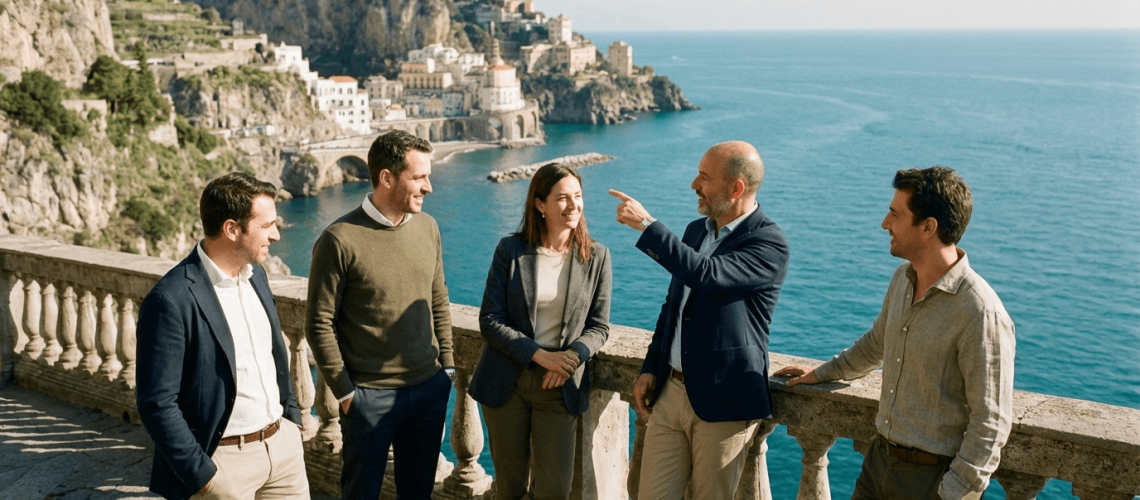
Team building is an idea that almost every leader has tried. There is usually a list of activities, a beautiful setting, and a group photo to capture the moment. Too often, however, leaders return to the office wondering whether anything meaningful actually happened. This disconnect between experience and impact is why “team building” has become a suspect phrase in leadership circles. For decision-makers evaluating team building in Italy, the distinction matters. Some activities genuinely advance strategic goals, while others simply entertain.
The real question is not whether teams enjoyed themselves, but whether anything changed. What shifts when team building is designed as a strategic intervention rather than a collection of pleasant moments? And why does the Italian context matter not as a backdrop, but as a medium for depth and reflection? This article addresses those questions for leaders who want outcomes that last beyond the final toast.
Why the Problem Matters Now
Teams today operate under pressures that most traditional leadership frameworks were not built for. Many organizations are hybrid or fully distributed, roles are increasingly interconnected, and psychological safety has become a performance requirement rather than a cultural extra. Leaders are under pressure to accelerate trust, reinforce shared purpose, and maintain alignment across distance.
At the same time, leadership budgets are more closely scrutinized. Every initiative is expected to justify itself through outcomes. Generic “fun” activities in attractive locations are no longer sufficient. A team workshop followed by wine tasting or a vespa tour may be enjoyable, but enjoyment alone does not translate into performance.
Leaders are increasingly asking sharper questions. Did this improve collaboration? Did it reduce friction? Did it reinforce strategic priorities? When these questions cannot be answered with clarity, team building remains entertainment rather than a strategic investment.
A Common Misstep: Activity for Activity’s Sake
Most team building in Italy begins with a checklist. Cooking classes, sailing, agritourism dinners, or artisan workshops are selected because they are appealing and easy to imagine. Italy is uniquely rich in these experiences. The problem arises when activities are chosen before outcomes are defined.
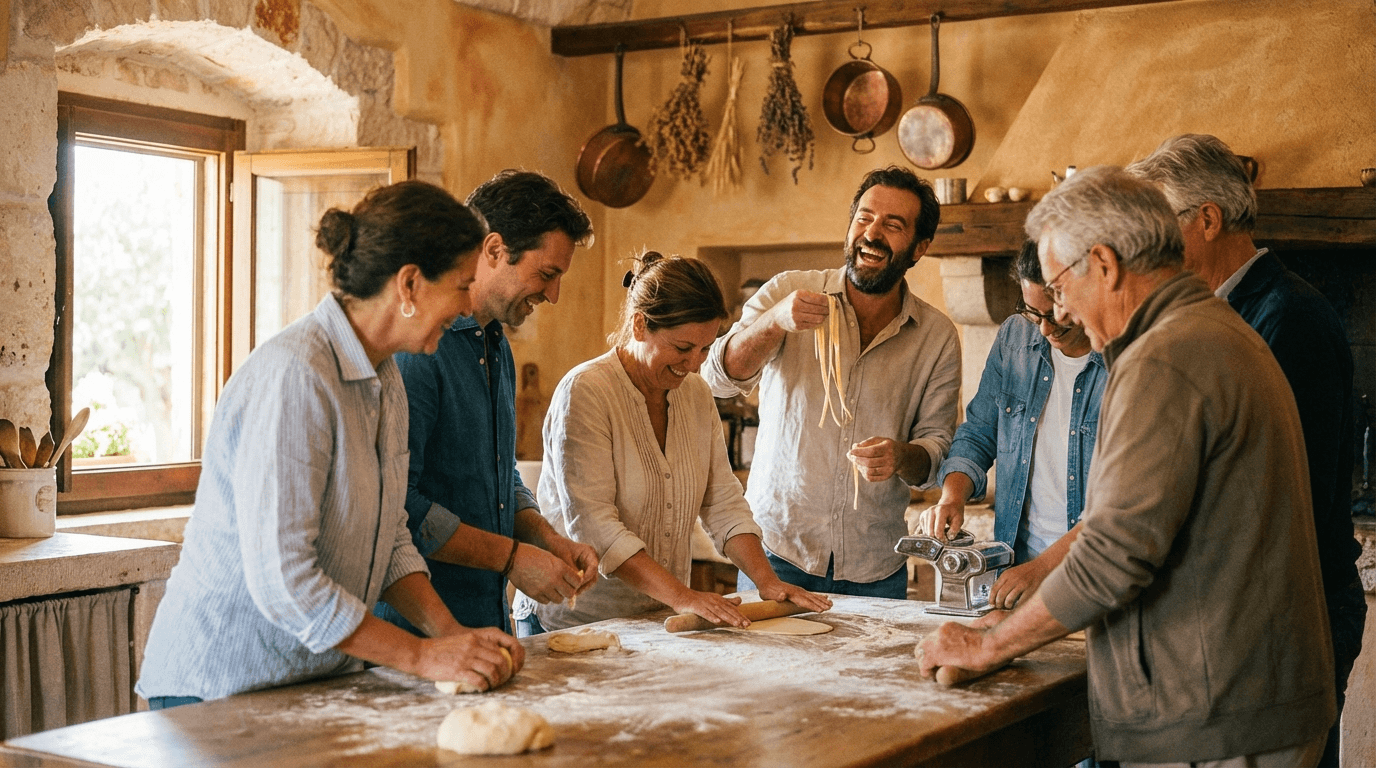
Consider a team building day built around cooking, with the goal of increasing trust. What happens if half the group finds the kitchen stressful? Or if existing hierarchies quietly reassert themselves through task allocation? Without clear intention and thoughtful facilitation, activities can surface tensions without resolving them.
The issue is not the activity itself. It is the gap between experience and purpose. When experiences are selected because they are enjoyable rather than because they are designed to support clarity, connection, or collaboration, impact becomes accidental.
What Strategic Team Building Looks Like
Strategic team building reverses the usual sequence. It starts with organizational needs, not activity options. The design process begins by asking what behaviors or dynamics would genuinely move strategy forward, which relationships need reinforcement or repair, and what alignments must hold once the team returns to work.
From there, the experience is shaped deliberately. If trust and cross-functional collaboration are priorities, activities are chosen to surface assumptions, reveal interdependencies, and create space for reflection and reframing. In this approach, activities become instruments rather than destinations.
In practice, this means:
- The workshop is not a box to tick, but a targeted intervention tied to a defined outcome.
- The location serves as a container for reflection, not a decorative bonus.
- The agenda balances cognitive challenge with embodied experience, always in service of purpose.
This is where team building in Italy becomes uniquely effective. Italy’s landscapes, histories, and cultural rhythms offer powerful conditions for sense-making when they are applied with intention.
Italy as a Strategic Context, Not a Prop
Italy is often chosen for its beauty, but beauty alone does not create impact. Italy becomes strategic when its environment is deliberately woven into the design of the experience.
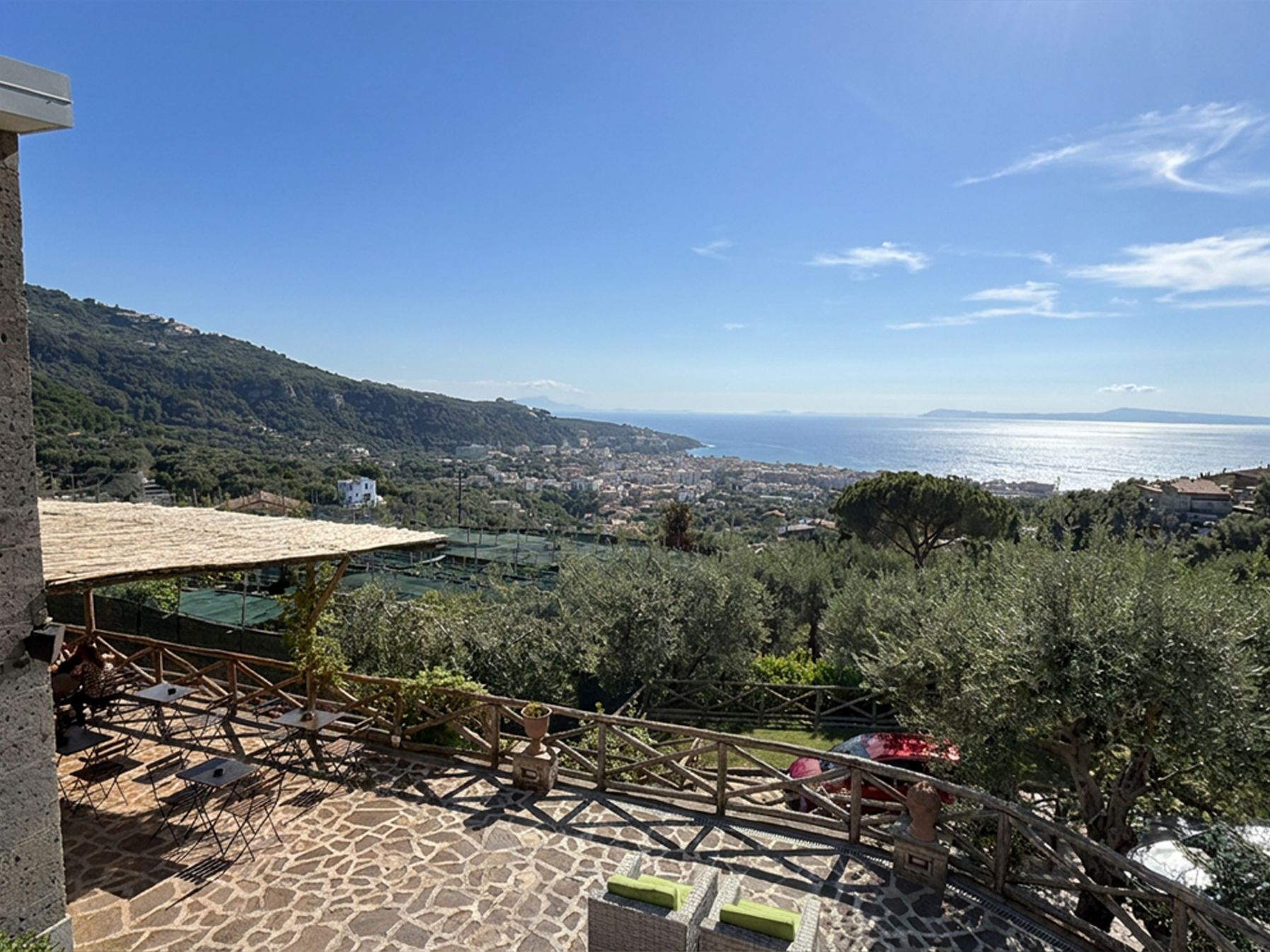
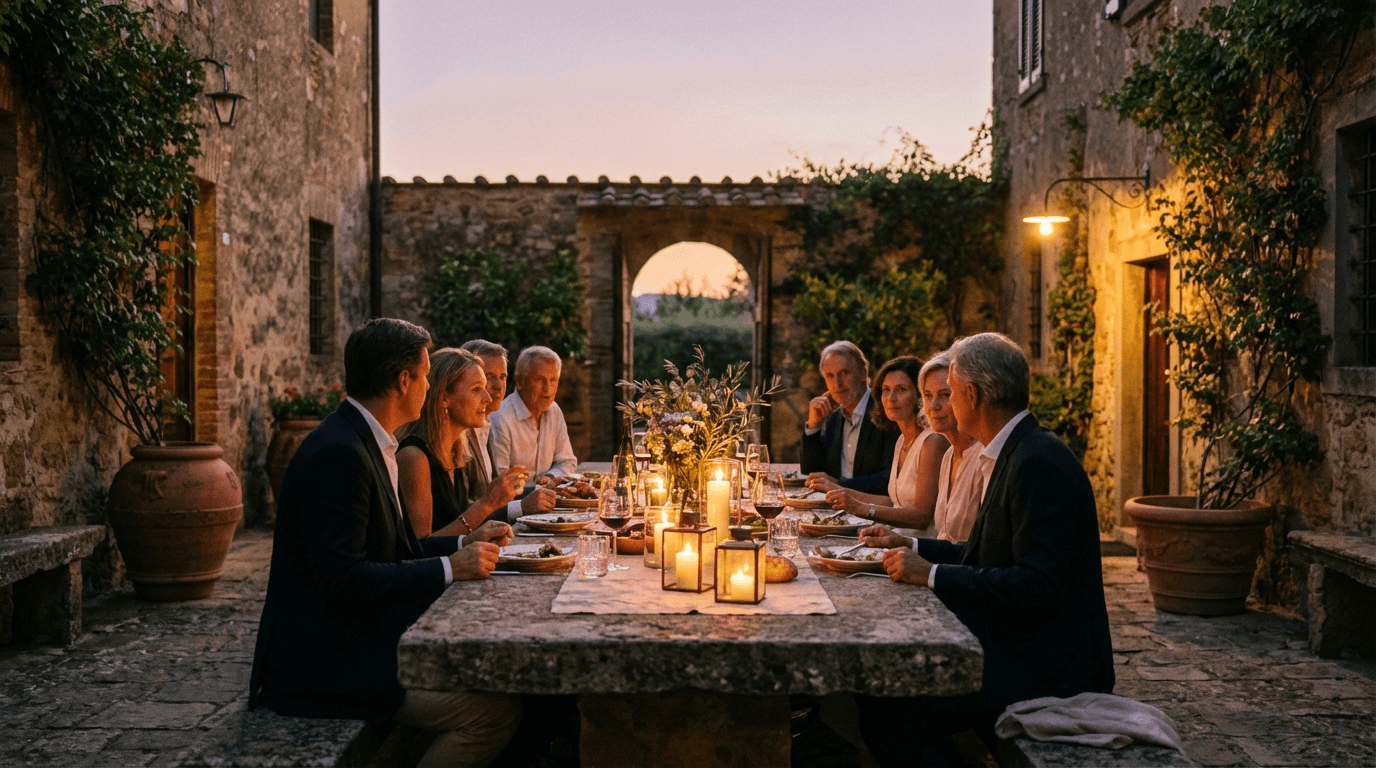
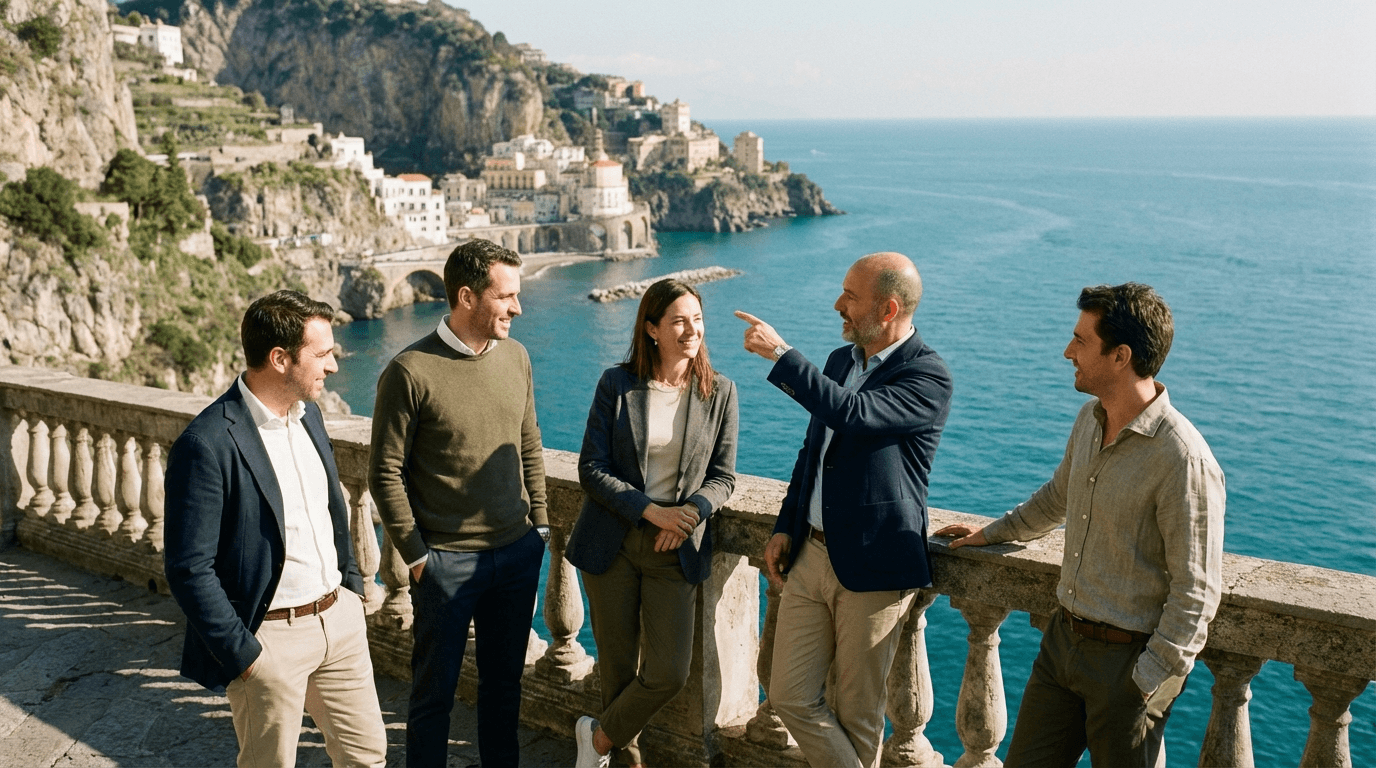
A vineyard in Tuscany can reinforce conversations about patience, stewardship, and long-term thinking. The Amalfi Coast can mirror discussions about navigating complexity and adaptation.
A cloistered monastery in Umbria can create the quiet required for reflection and priority alignment, away from constant digital noise.
These are not tour highlights. They are contextual amplifiers that deepen the work because they resonate with the leadership questions being addressed. When environment and intention align, the experience gains depth without needing spectacle.
A Practical Framework for Strategic Team Building
Leaders who want team building to deliver real value can apply a simple strategic framework.
Define the desired behaviors
Clarify what participants should think, feel, or do differently after the experience.
Design Backwards
Select activities that provide the clearest path to those outcomes.
Facilitate Reflection
Ensure transitions between action and discussion allow insight to emerge.
Embed Learning
Translate insights into commitments, rituals, or follow-up practices once teams return to work.
This approach treats team building in Italy not as an event, but as a deliberate intervention. When applied thoughtfully, team building becomes a deliberate intervention rather than a social event.
Common Pitfalls and How to Avoid Them
Even experienced leaders fall into familiar traps. One common assumption is that the team primarily needs to relax, leading to activities that soothe but do not challenge. A more strategic alternative is to choose experiences that combine restoration with insight, such as collaborative problem-solving in unfamiliar contexts.
Another pitfall is defaulting to iconic Italian experiences because they feel appropriate. A better approach is to select experiences that reinforce the specific skill or mindset the team needs to develop. Finally, leaders often prioritize universal enjoyment, when meaningful engagement that produces durable behavioral shifts is the real objective.
The Tangible Value Leaders Can Expect
When team building is designed strategically, leaders begin to see outcomes that matter. Inter team communication becomes clearer. Trust holds under pressure. Priorities are better understood and shared. Decisions are owned collectively rather than deferred. Roles and responsibilities regain clarity.
These outcomes are not byproducts of scenic views. They are the result of intentional design, supported by experience and context.
A Quiet Call to Reflection
Team building in Italy can be far more than a series of pleasant moments. When approached with discipline, it becomes an outcome-oriented intervention that supports leaders and teams with clarity, alignment, and depth.
If your next team initiative is guided by strategic intention rather than activity lists, the investment becomes visible not only in memories, but in relationships, decisions, and performance.
Before planning your next team building initiative, consider what outcome you genuinely want to achieve. The right experience, designed with intention, can turn a moment of enjoyment into a milestone of lasting impact.